Get the app
CommandSample

A Thanksgiving Offering
The meat of their fellowship offering of thanksgiving must be eaten on the day it is offered; they must leave none of it till morning. — Leviticus 7:15
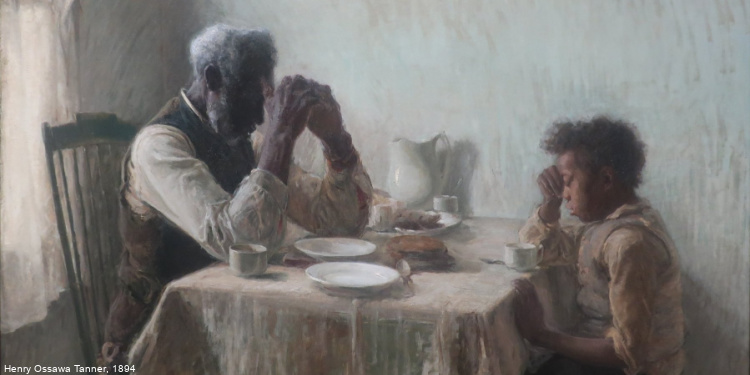
One of my favorite memories growing up in Chicago was our yearly Thanksgiving meal. It was the one holiday of the year that both Jews and Christians celebrated at the same time and in the same way. On that day, we were all proud Americans bonded together by our shared heritage and gratitude to God.
Like many Americans, the highlight of our meal was going around the table and sharing what we were particularly grateful for that year. Expressing gratitude is always uplifting, but thanking God in a group setting takes our thankfulness to a whole other level. After hearing all of the good things God was doing in the lives of family and friends, our hearts were overflowing with boundless thanksgiving.
Today, we learn about the original Thanksgiving meal. One of the sacrifices brought in Temple times was called the offering of thanksgiving. As the Bible directed, it was accompanied by 40 meal offerings, all of which had to be consumed by sunset of that day. It was actually impossible for one person to finish all the food by the required time. Why did God make it that way?
The Jewish sages explain that the impossible requirements were quite intentional. God wanted the worshipper to be unable to complete the task without inviting others to join in. Those invited to this meal would inevitably ask about the reason for the meal. That would give the worshipper an opportunity to share his or her story and gratitude to God with others. Only then would the offering be complete.
The importance of thanking God for our blessings, especially in the presence of others, is just as relevant today as it was in Bible times. When we thank God for our blessings, we recognize Him as the source of all blessings and elevate our own soul. But when we share our gratitude with others, we inspire even more people to recognize God’s hand in our life and God’s blessings in their own lives. In this way, we amplify our gratitude and magnify God’s Name throughout the entire world.
Scripture
About this Plan
For millennia, God’s people have been carrying out a weekly Bible study plan. Every year, they read through the Torah from Genesis to Deuteronomy. In synagogue each week, they read and study a Bible passage—the weekly parshah. This week’s parshah is called “Tzav,” which is Hebrew for “Command,” and covers Leviticus 6:1–8:36.
More
We would like to thank International Fellowship of Christians and Jews for providing this plan. For more information, please visit: https://ifcj.org