Get the app
SendSample

One Powerful Word
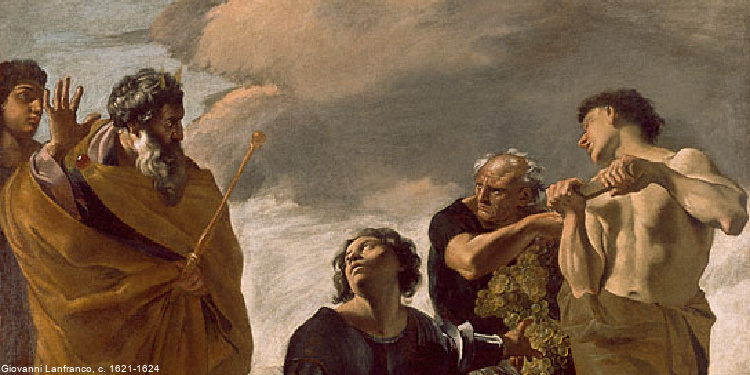
They gave Moses this account: “We went into the land to which you sent us, and it does flow with milk and honey! Here is its fruit. But the people who live there are powerful, and the cities are fortified and very large. We even saw descendants of Anak there.”— Numbers 13:27-28
One of the great Jewish rabbis of the Middle Ages, Maimonides, left us an incredibly insightful commentary on our Bible verses today. And it all centers on the power of one word: BUT.
How often have we heard something along the lines of “You did a good job today, BUT…” Or maybe we even said something like this to our children, “You did well on your report card, BUT…” That one little word has the power to turn something positive into something negative.
Consider the report from the twelve spies after scouting out Canaan. They said, “We went into the land to which you sent us, and it does flow with milk and honey! Here is its fruit. But the people who live there are powerful, and the cities are fortified and very large.”
Omit that one word, and we are left with an honest account of what the spies saw, and indeed, that was the purpose of their mission. However, that one word transformed their objective statement into a subjective one—one that caused grief, confusion, and a lack of faith.
Interestingly, the Hebrew word used for “but” is the word efes, which also can mean “zero.” This is the power of the word “but.” It turns everything positive into nothing at all. The fact that the Promised Land was flowing with milk, honey, and abundance meant nothing to the children of Israel after the spies insinuated that conquering the land would be dangerous and improbable. That one little word changed their entire report, and consequently, the trajectory of the people's destiny.
Years later, after Joshua had successfully led the people into Canaan, he composed a new prayer. This prayer, which is still recited every day, contains the phrase efes zulato, which means, “there is nothing but Him (God).”
It’s not by accident that Joshua, who was one of only two spies to disagree with the others, used the same word that got his colleagues into so much trouble. His prayer teaches us that there is one time when we should use the word “but”—when we say, “There is nothing but God.”
•Unless otherwise noted, all Bible verses in this plan are from the New International Version (NIV).
Scripture
About this Plan
For millennia, God’s people have been carrying out a weekly Bible study plan. Every year, they read through the Torah from Genesis to Deuteronomy. In synagogue each week, they read and study a Bible passage—the weekly parshah. This parshah is called “Shelach,” which is Hebrew for “Send,” and covers Numbers 13:1-15:41.
More
We would like to thank International Fellowship of Christians and Jews for providing this plan. For more information, please visit: https://ifcj.org