Get the app
SpeakSample
Giving with Dignity
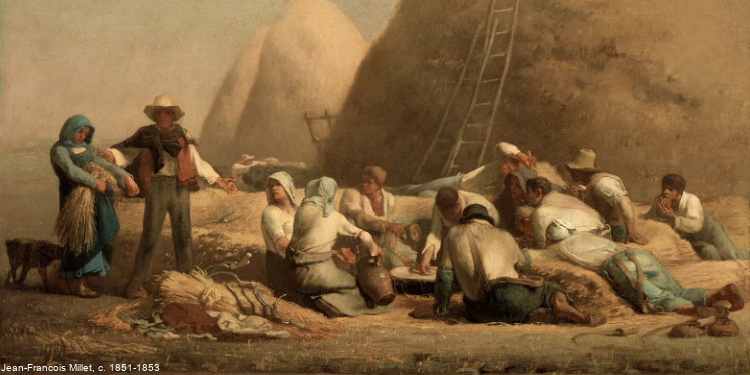
When you reap the harvest of your land, do not reap to the very edges of your field or gather the gleanings of your harvest. Leave them for the poor and for the foreigner residing among you. I am the LORD your God. — Leviticus 23:22
While researching his relatives who had perished during the Holocaust, a friend of mine discovered a survivor who knew his grandmother. Excited to make the connection, my friend asked the survivor if she could tell him something about this grandmother he never got to meet. The survivor explained that she did not know his grandmother well, but she did have a very vivid image of the woman in her mind. “My memory of your grandmother is of her running around town just before the Sabbath began with loaves of challah bread (the traditional Sabbath bread) under her arms. She would go to the homes of the poor, crack open their doors, throw in a loaf of bread, and scurry away.”
My friend was touched by his grandmother’s kindness, but he questioned her mode of giving. “Why did she throw the poor their bread and not give it with a smile?” The survivor explained, “So that she wouldn’t embarrass them, of course!” As my friend’s grandmother knew, there are many ways to give. The best way is anonymously.
In this Bible verse, we learn about the commandment to leave a corner of a field unharvested so that the poor and needy could come and help themselves to the remaining produce. God could have commanded His people to give a corner’s worth of food over to the poor, but He intentionally commanded them to leave the unharvested crops behind. This allowed the poor to come and take what they needed, in the darkness of the night if they preferred. This way, their needs could be filled while their dignity remained intact.
We are living in very difficult times right now across the globe. Many people have fallen on hard times, and asking for help from others can make a difficult situation even harder. Sometimes, the only thing that people have left is their dignity, and having to go to someone they know for a handout can take their self-esteem away from them, too. This is why Judaism encourages giving anonymously or giving to people whom you will never meet or know. This way, your gift is exponentially greater in value as you fill someone’s stomach, without depleting their dignity.
Scripture
About this Plan
For millennia, God’s people have been carrying out a weekly Bible study plan. Every year, they read through the Torah from Genesis to Deuteronomy. In synagogue each week, they read and study a Bible passage—the weekly parshah. This parshah is called “Emor,” which is Hebrew for “Speak,” and covers Leviticus 21:1–24:23.
More
We would like to thank International Fellowship of Christians and Jews for providing this plan. For more information, please visit: https://www.ifcj.org/