Get the app
3 - LORD'S PRAYER - the Lord´s Requirementsਨਮੂਨਾ
11 – Where the Kingdom Is
The concept of the Kingdom of God is so central that Jesus turned it into a petition to the Father: “Your kingdom come” (Matthew 6:10, NIV).
Even so, Jesus’ followers often struggled to grasp what the “Kingdom of God” truly meant. They expected it to be an earthly empire, one the Messiah would establish. The Jewish people, long oppressed and ruled by foreign powers, were then under Roman occupation. They were waiting for the promised Savior, imagining He would overthrow their oppressors with divine might.
Because of this expectation, the disciples often felt frustrated and even defeated by Jesus’ teachings and the unfolding events that ultimately pointed toward His death on a cursed cross.
Once, when the Pharisees asked Him about this, Jesus replied: “The coming of the kingdom of God is not something that can be observed. Nor will people say, ‘Here it is,’ or ‘There it is,’ because the kingdom of God is in your midst” (Luke 17:20-21, NIV).
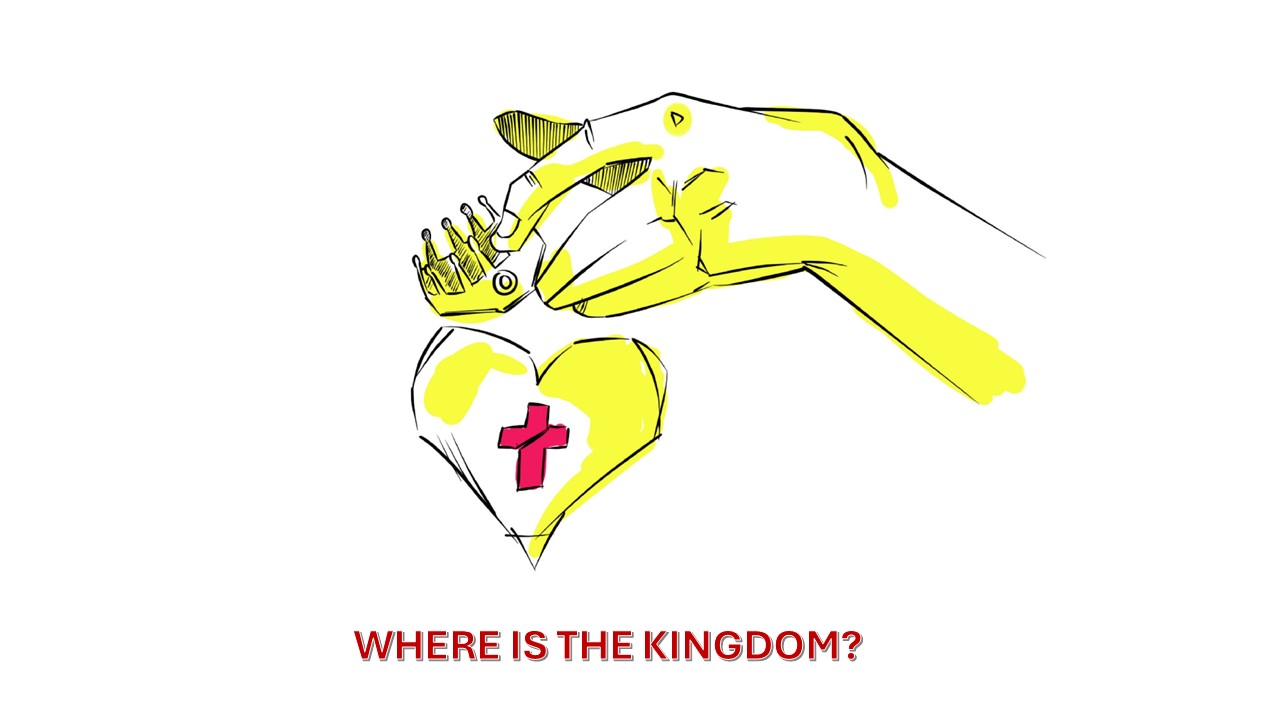
From this, we can see that when Jesus prayed, “Your kingdom come,” He was asking the Father to establish that Kingdom in the hearts of His listeners, with God as King and them as His subjects.
So, each time we pray this, we are inviting God to establish His rule in our own lives, calling Christ to reign within us. Yet, all too often, we resist—unwilling to let the King of Kings have full authority. We still want to rule ourselves.
There’s no point in praying, “Your kingdom come,” if we aren’t ready to accept God’s absolute reign over our lives. Let’s remember Jesus’ words: “The kingdom of God is in your midst” (Luke 17:21, NIV), and that means it is within me, too.
About this Plan
The well-known Lord's Prayer, taught by Jesus to his disciples, can be divided, for study purposes, into two parts. The first addresses God's demands: his dwelling, his person, his kingdom, and his will. The second half addresses humanity's demands: their needs for bread, forgiveness, and deliverance. Let us, in this context, address the first part of the prayer.
More
Related Plans

Lies & Truth Canvas

When God Says “Wait”

War Against Babylon

And He Shall Be Called: Advent Devotionals, Week 5
From PlayGrounds to Psychwards

Making the Most of Your Marriage; a 7-Day Healing Journey

Blessed Are the Spiraling: 7-Days to Finding True Significance When Life Sends You Spiraling

Ruins to Royalty

When God Doesn't Make Sense