 Pran aplikasyon an
Reading the Bible in Historical Sequence Part 8Egzanp
King Zedekiah seeks a word from God through Jeremiah and hears that the siege will end in death or capture unless he obeys God and rules justly, for God is able to restore Judah. Being a sabbatical year the king (probably hoping to score marks from God) instructs the people to release their slaves (in accordance with God’s Law in Exodus 21:2) but when an Egyptian army approaches and the siege lifts the people reclaim the slaves. God says the Egyptians will go back and He will then recall the enemy.
Jeremiah (37:12), attempting to see his land in Anathoth (which was already in the hands of the Babylonians) is put in prison. (Jeremiah was demonstrating faith in God’s promise of the Jews’ future return.)
God tells Ezekiel, over in Babylon, to prophesy against Egypt (which was destroyed by Babylon in 568/567 BC). Zedekiah frees Jeremiah and is told that God will send him, the king, to Babylon.
Konsènan Plan sa a
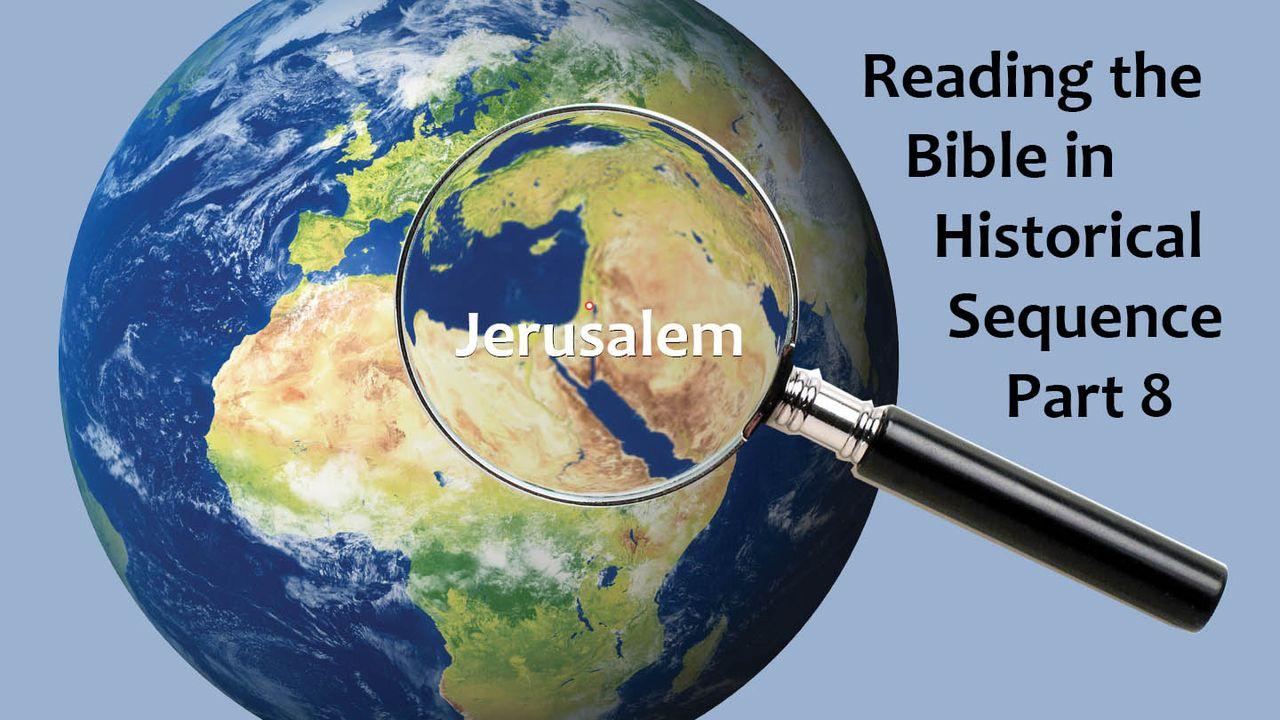
In the beginning was the Word … but what came next? This plan is for anyone who wants a better understanding of the Bible. It provides a chronological reading program that endeavors to place all biblical passages in their date order. Part Eight of this twelve-part one-year reading plan is titled ‘A Destroyer Carries Judah into Exile: 629 BC–587 BC’.
More
Plan ki liye yo

Karèm/Pak : Jezi soufri, mouri, epi genyen viktwa

Grandi Nan Sanktifikasyon

Mirak Jezi : Revele idantite divin Li
Ansèyman Jezi : Desizyon saj & benediksyon ki dire

Karèm/Pak : Dènye jou Jezi yo

Karèm/Pak : Jezi fè fas ak lanmò avèk kouraj

Istwa Nwèl : 5 jou sou nesans Jezi

Bondye pa ChatGPT
Parabòl Jezi : Eksplikasyon pratik sou Peyi Wa a
