 Pran aplikasyon an
Reading the Bible in Historical Sequence Part 8Egzanp

629 BC Zephaniah also foresees ‘a day of wrath’ – a day of God’s burning anger for Judah and for her enemies: Philistia, Moab, Ammon, Ethiopia and proud Assyria – all who taunt the people of God. Then restoration will come – a day of joy for Jerusalem.
Note Zephaniah 2:13: The Medes and Persians sacked Nineveh in 621 BC. It was destroyed again by the Babylonians and Medes in 612 BC and though helped by Egypt the Assyrian Empire was finally crushed in 609 BC. Thus Zephaniah’s prediction was fulfilled. His words that Nineveh would become dry as the desert were fitting because of its many irrigation canals! (Another prophetic description of Nineveh’s fall is given in Nahum 3.)
Konsènan Plan sa a
In the beginning was the Word … but what came next? This plan is for anyone who wants a better understanding of the Bible. It provides a chronological reading program that endeavors to place all biblical passages in their date order. Part Eight of this twelve-part one-year reading plan is titled ‘A Destroyer Carries Judah into Exile: 629 BC–587 BC’.
More
Plan ki liye yo

Karèm/Pak : Jezi fè fas ak lanmò avèk kouraj

Mirak Jezi : Revele idantite divin Li
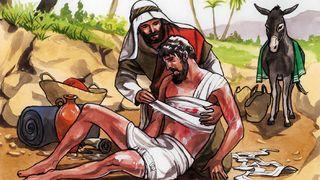
Parabòl Jezi : Eksplikasyon pratik sou Peyi Wa a

Karèm/Pak : Dènye jou Jezi yo
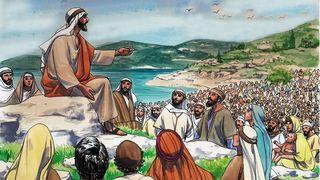
Ansèyman Jezi : Desizyon saj & benediksyon ki dire

Grandi Nan Sanktifikasyon

Gerizon Jezi : Eksplore pouvwa & konpasyon

Karèm/Pak : Jezi soufri, mouri, epi genyen viktwa

Istwa Nwèl : 5 jou sou nesans Jezi
